Bathroom Vent Fan things to consider in Greenville, SC
Bathroom vent fans wear out. Your fan may not be properly vented. If it is vented into your attic or through the soffit, like many home vent fans are, humidity may cause damage in the attic over time. Fan motors may wear out and become louder as they deteriorate due to wear and tear. Mould may start to build up in your bathroom or attic, as the case may be, if the fan is not working or venting as intended. Most aspects of repair or installation associated with bathroom vent fans are not something homeowners are comfortable with. That’s where Psalm 23 Handyman in Greenville, SC comes in. Here are some things to consider when it comes to bathroom vent fan repairs and installations.
Repairing or replacing bathroom vent fans
If your fan is getting noisier with time, the simplest fix is to replace the fan motor itself. If that option does not suffice, you will need to purchase a new vent fan. Bathroom vent fans come in a variety of styles, with various functions and features. It is best if you go to Home Depot or Lowe’s, where you will find a wide variety of fans to select from. The price of fans goes up depending on your selection of the following features.
- Bathroom vent fan sound ratings use sones, where lower numbers mean quieter fans; whisper-quiet fans are 1.0 sone or less, 1.0-2.0 sones are very quiet, 2.0-4.0 are moderate (like an office), and above 4.0 sones are noticeably louder, with 1.0 sone being like a refrigerator hum and 4.0 like a TV. For a peaceful environment, aim for a fan under 2.0 sones. The quieter the fan, the more it will cost.
- Fans are rated in CFM. A bathroom fan’s CFM (Cubic Feet per Minute) indicates how much air it moves; for bathrooms under 100 sq ft, aim for 1 CFM per square foot
(e.g., 50 CFM for a 50 sq ft room), while larger bathrooms or those with tubs/showers need more, typically calculated by adding 50 CFM for each toilet, shower, or tub, plus 100 CFM for a jetted tub, ensuring proper moisture removal to prevent mold. The higher the CFM the more the fan will cost. - Fans can have one or more lights in them.
- Fans can have wifi for remote control.
Bathroom Vent Fan Ducting
Proper installation requires venting to the exterior, sealing all duct seams with foil tape, and using proper materials like rigid or semi-rigid ducting for efficiency. The duct should be installed with minimal bends. Ideally, the duct should have a maximum of two 90-degree elbows or fewer, as each bend significantly restricts airflow, reducing fan efficiency and increasing noise. It is best to use gradual 45-degree bends or two 45s instead of one 90 when possible, and keep the first few feet straight from the fan.
Insulated ducts inhibit condensation buildup, which is important because bathroom vent fans exhaust highly humid air, which can cause problems. Water can build up in the ducting itself if the ducting does not maintain a vertical incline. Rigid ducts prevent water buildup in the duct better than flexible ducting. Rigid ducts also improve air flow. But flexible duct, insulated or not, reduces installation labor costs.
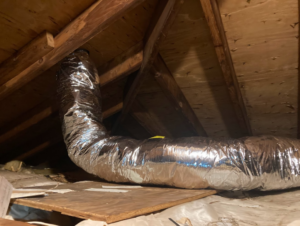
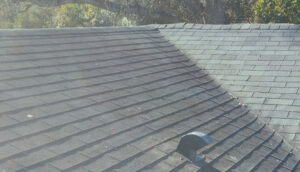
Ducting needs to lead to an outside vent. That can be on the roof or on an exterior wall. Your bathroom vent needs to be at least three feet away from any soffit intake vents or other openings (windows, doors) to prevent humid air from being pulled back into the attic or house.